
An industry focused on death faces an existential crisis
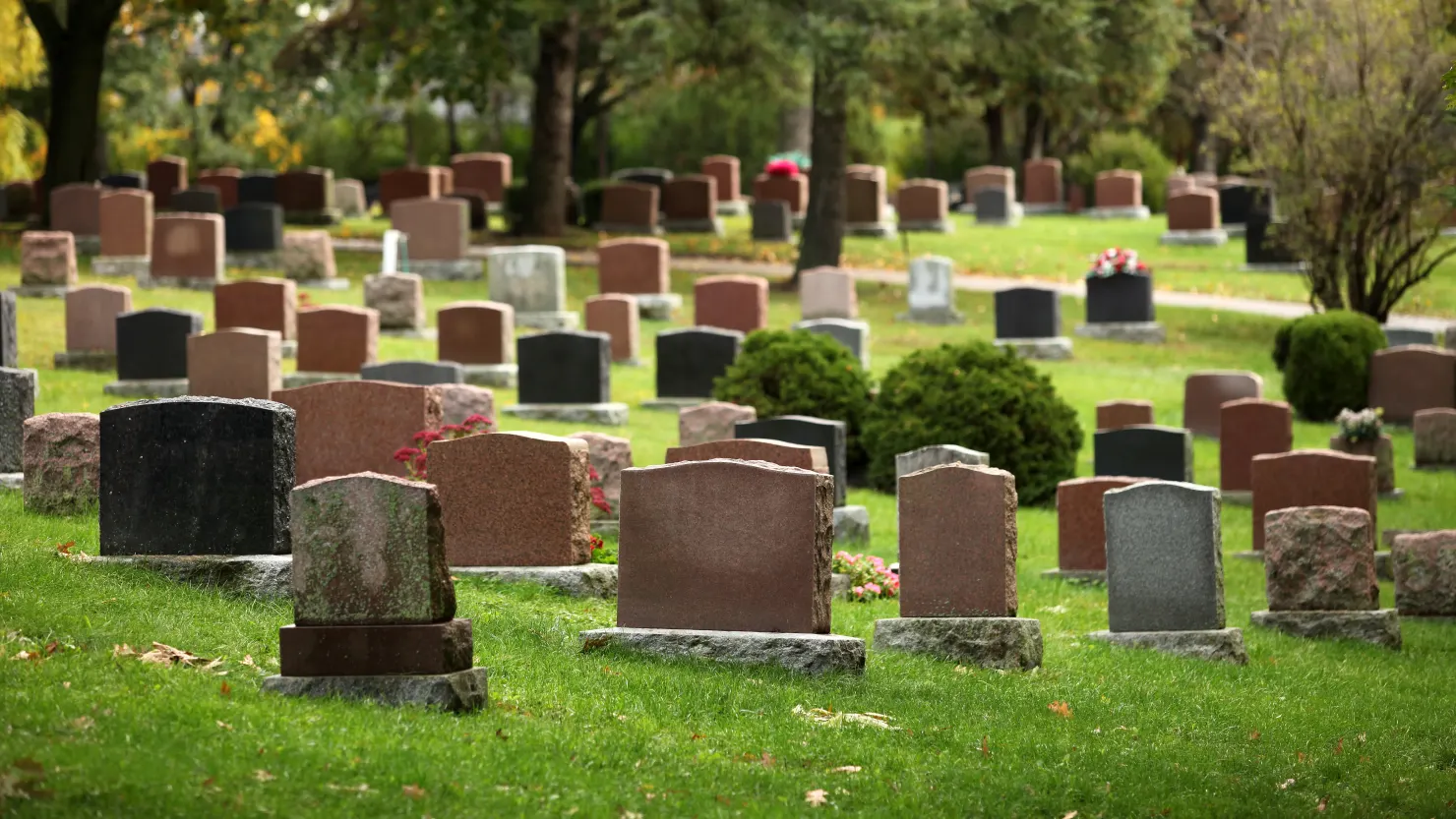
Strathroy | Istock
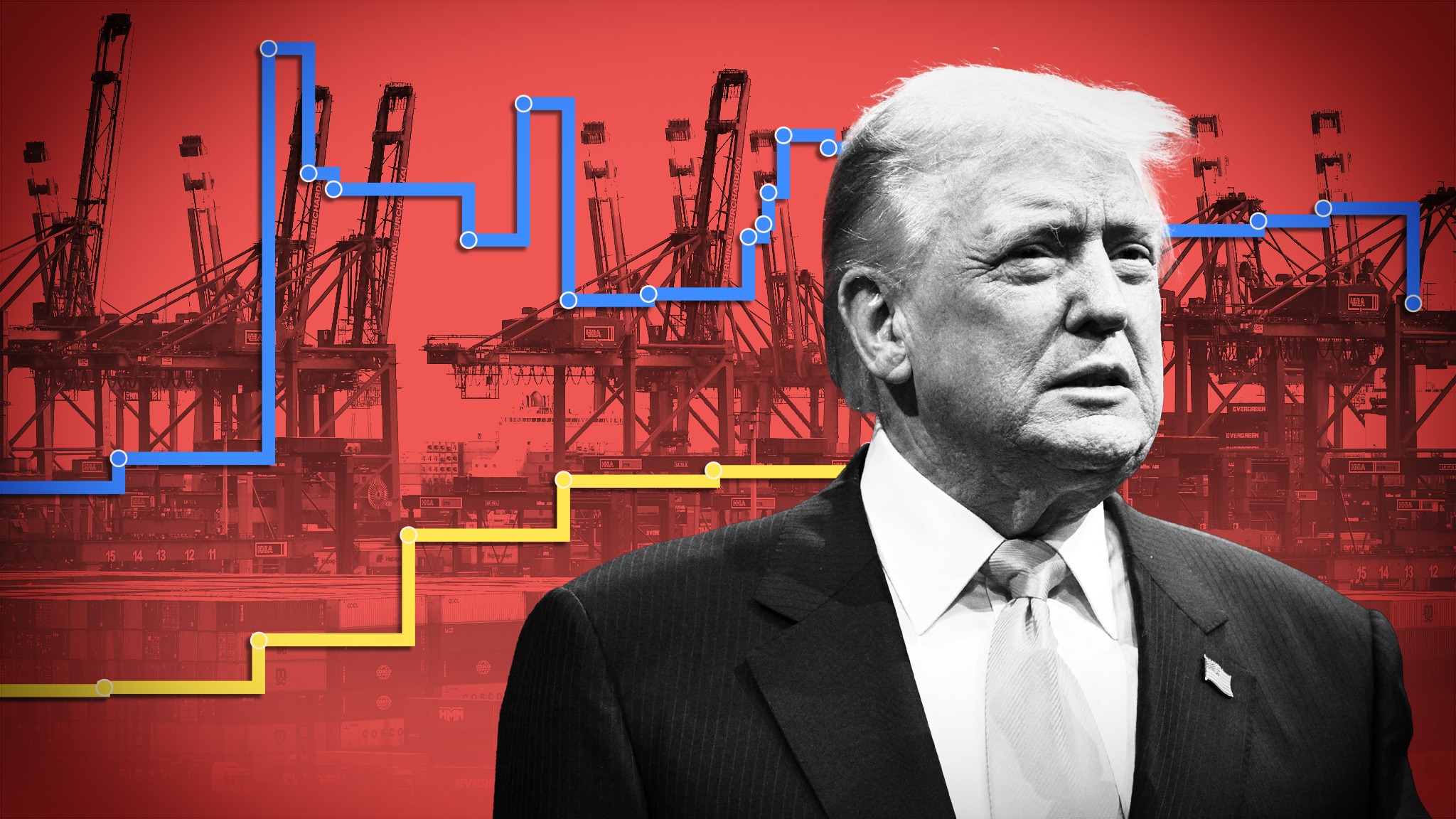
For nearly a hundred years, Rome Monument in western Pennsylvania has crafted custom headstones. Now, owner John Dioguardi faces an existential question: how much longer can his family business survive? The U.S. monument industry, a network of small, multi-generational firms, is being squeezed by two powerful forces—the relentless rise in cremations and the financial shock of President Trump’s steep tariffs on imported granite.
“This tariff thing has been like a gut punch,” said Jim Milano of Cleveland’s Milano Monuments, where duties on a Chinese granite container nearly doubled from 29% to 59% in a year. Many businesses are absorbing these costs out of pocket to avoid passing them onto grieving families. “We can’t go back and say, ‘We need an extra $1,000 to cover the tariffs,’” Milano explained.
An Industry Built on Certainty Faces Crippling Uncertainty
The specialty nature of the business, with lead times of weeks or months, makes it acutely vulnerable to sudden policy shifts. “The uncertainty part is the hardest,” said Nathan Lange of the Monument Builders of North America. Wholesalers like Kentucky’s PS Granite are delaying annual price catalogs, considering updates every 60 days to keep pace with potential tariff changes.
While some, like Dioguardi, have shifted supply chains—moving two-thirds of his sourcing from China to India—options are limited. Unique granite varieties like India’s multi-colored “aurora” aren’t found domestically, and U.S. production remains cost-prohibitive due to higher labor expenses.
A Deeper Demographic Shift: The Cremation Revolution
Even before tariffs, the industry was navigating a profound social shift. The U.S. cremation rate has surged past 60% and is expected to exceed 67% in the coming years. This has forced a painful business reorientation.
“Cremation has changed our business tremendously,” Dioguardi said. “It’s created new opportunities. It has closed some other doors.” Monument builders are now promoting alternatives like pedestal memorials for ashes and even pet memorials, such as a “rainbow bridge” Dioguardi recently installed.
Milano worries that tariff-driven price hikes could accelerate the shift away from physical memorials altogether. The trend is even more advanced in Canada, where an 80% cremation rate has suppressed price increases from local granite manufacturers.
The Fight for Relevance in a Changing Culture
The industry’s ultimate challenge may be cultural. Dioguardi contrasts the ancient Egyptians’ pyramids with today’s trend of unmarked ash scattering. “I don’t even know if they want a pebble,” he mused, highlighting the struggle to convince modern consumers of the value of lasting memorialization.
While Dioguardi believes his business has another decade of viability, its long-term future is uncertain. The dual pressures of trade policy and evolving funeral practices represent more than an economic challenge—they threaten a century-old tradition of craft and the physical legacy of how Americans choose to remember their loved ones.
Recent
News

Newsletter
Subscribe to our mailing list to get the new updates!

Subscribe our newsletter to stay updated
Most
Reviews
Finance
Business

Finance
Markets

Finance
- Mon, 19 Jan 2026